
Imagine this: You’re trekking the misty trails of Dhauladhar, breathing crisp Himalayan air, when you spot a plastic bottle glinting in the sunlight. Heart sinks, right? What if your next adventure could heal the planet instead of harming it?
Earth Day 2026 calls us to rethink travel. With over 1.4 billion tourists globbing annually (UNWTO stats), tourism pumps out 8% of global carbon emissions – more than aviation alone. But here’s the hook: Sustainable tourism isn’t sacrifice; it’s smarter adventure. Stick around – I’ll reveal three game-changing Indian destinations where you thrive and the Earth does too.
The Shocking Truth: Why Your Last Trip Hurt the Planet (And How to Fix It)
Ever snapped an Insta-perfect pic at a crowded Goa beach, only to wade through trash later? You’re not alone. India’s tourism boom – 10.9 million foreign arrivals in 2024 – strains ecosystems, from overflowing landfills in Kerala to vanishing corals in Lakshadweep.
But flip the script. Sustainable tourism swaps exploitation for regeneration: low-impact stays, local sourcing, zero-waste habits. Curious fact: Travelers like you who go green spend 62% more and stay 50% longer (Booking.com report). Ready for proof? Let’s dive into spots that prove it works.
Destination 1: Spiti Valley – Himalayas’ Zero-Waste Wonderland
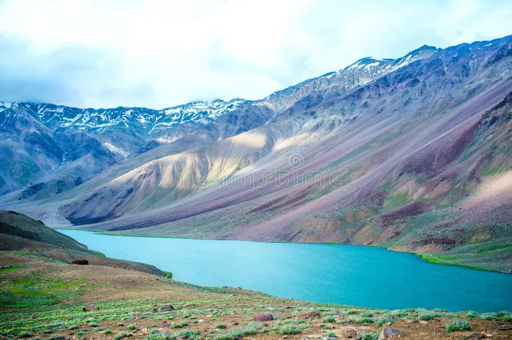
What if a barren desert moonscape could teach luxury living? Enter Spiti Valley, Himachal Pradesh – my pick for Earth Day redemption..
- Stay carbon-neutral: Homestays like Kaza’s Ibex Hotel run on solar power, serving organic meals from village farms. No plastic in sight.
- Trek guilt-free: Join community-led clean-up treks to Key Monastery, where locals plant 10 trees per visitor.
- Impact stats: Spiti’s eco-model cut waste by 70% since 2020 (local gov data), preserving glaciers that feed Ganges.
Pro tip: Visit June-October; hike Chandra Tal Lake at dawn. Your footprint? Near zero. But can beaches do better? Keep reading.
Destination 2: Gokarna Beach – Karnataka’s Turtle-Safe Paradise

Tired of Maldives envy? Gokarna delivers pristine sands with purpose. This coastal gem flipped from party spot to eco-haven
.Picture releasing baby olive ridley turtles into the Arabian Sea at Om Beach – that’s your Earth Day high. Eco-resorts like Namaste Samudra use rainwater harvesting and ban single-use plastics.
- Local boost: 80% staff from fishing villages; artisan markets sell sustainable shells (no poaching).
- Fun twist: Night paddling tours under stars, tracking bioluminescent waves – no lights to scare marine life.
- Real wins: Turtle nesting up 40% in five years (WWF India).
Pace yourself: Half Moon Beach hike takes 45 minutes. Pure magic. Now, for urban explorers: A city that greens skyscrapers.
Destination 3: Auroville – Pondicherry’s Living Eco-Utopia

Ever dreamed of a car-free city built on trees? Auroville, Tamil Nadu, isn’t hype – it’s 50,000 trees strong, housing 3,000 global pioneers.
How does a dust bowl become a food forest? Matrimandir’s solar heart powers it all, with organic farms feeding residents.
- Hands-on: Plant your legacy tree via Auroville’s Earth Day programs.
- Stay regenerative: Bamboo huts at Athiti Vriksha compost everything.
- Metrics that matter: Captures 1 million liters rainwater yearly, slashing import needs by 90%.
Blend culture: Catch silent meditation at dawn. Transformative.
The Ultimate Payoff: Travel That Saves Tomorrow
Earth Day isn’t a checkbox; it’s your travel revolution. By choosing Spiti, Gokarna, or Auroville, you join 20 million “regenerative travelers” fueling India’s green economy – ₹2 lakh crore potential by 2030.
Question for you: Which spot calls first? Drop your plan below – let’s make 2026 the year travel heals.